What’s in Your Fridge? Turn Everyday Ingredients into Healthy Recipes

When you open your refrigerator, what do you see? For some, it might look like a puzzle of mismatched leftovers, condiments, and fresh produce teetering on the edge of expiration. Instead of feeling overwhelmed or defaulting to takeout, consider your fridge and pantry a treasure trove of possibilities for healthy, delicious meals. Here’s how you can transform what you already have into wholesome recipes that don’t require a trip to the store.

Start with the Basics
Healthy recipes often begin with a few key staples. These items form the foundation of many nutrient-packed meals. Do you have:

  • Proteins: Eggs, chicken, tofu, Greek yogurt, or beans?
  • Veggies: Leafy greens, carrots, peppers, or zucchini?
  • Whole Grains: Cooked quinoa, brown rice, or even leftover oats?
  • Healthy Fats: Avocados, nuts, or olive oil?

One-Bowl Wonders
When in doubt, create a power bowl. Here’s a simple formula:

  1. Base: Use a bed of greens, cooked grains, or roasted vegetables.
  2. Protein: Add grilled chicken, hard-boiled eggs, or a handful of chickpeas.
  3. Veggie Variety: Incorporate whatever fresh or roasted veggies you have.
  4. Healthy Fat: Top with sliced avocado, a sprinkle of nuts, or a drizzle of olive oil.
  5. Flavor Boost: A dash of lemon juice, a dollop of hummus, or a sprinkle of your favorite spice mix ties it together.

Soup-er Simple
Do you have a random assortment of vegetables nearing their expiration date? Chop them up and turn them into a nourishing soup:

  • Sauté onions or garlic in olive oil.
  • Add chopped vegetables and your choice of protein.
  • Pour in broth or water and let it simmer until everything is tender.
  • Blend for a creamy texture or leave it chunky for a rustic feel. Add herbs or spices for depth.

Creative Breakfasts Anytime
Breakfast ingredients often double as the stars of other meals. Here are some ideas:

  • Eggs: Make a veggie-packed omelet or a quick frittata.
  • Greek Yogurt: Layer it with fruit and granola for a parfait, or use it as a base for savory dips.
  • Oats: Whip up savory oatmeal with sautéed spinach, a poached egg, and a sprinkle of cheese.

Wrap It Up
Tortillas, lettuce leaves, or even sheets of nori (seaweed) can transform your fridge’s contents into portable, healthy wraps. Fill them with:

  • Leftover proteins like shredded chicken or roasted tofu.
  • Crunchy veggies like bell peppers, cucumbers, or shredded carrots.
  • A spread such as hummus, tzatziki, or guacamole.

Snack Smarter
Snacks don’t have to come in a bag. Check your fridge for:

  • Veggie Sticks and Dips: Pair sliced cucumbers, carrots, or celery with homemade Greek yogurt ranch or hummus.
  • Fruit Combos: Slice apples or bananas and top with a smear of peanut butter and a sprinkle of granola.
  • Hard-Boiled Eggs: Sprinkle with a pinch of salt, pepper, or smoked paprika for a protein-packed treat.

Plan Ahead
Prepping ingredients ahead of time makes healthy eating effortless. Try:

  • Washing and chopping produce for easy access.
  • Cooking a batch of quinoa or rice for the week.
  • Roasting a tray of mixed vegetables to pair with different proteins.

Envision the possibilities
Instead of staring blankly into your refrigerator, embrace its potential. With creativity and a focus on combining fresh, wholesome ingredients, you can turn even the most random assortment into something delicious and nutritious.

You can also check out the My Fridge Food website or download the app to help you create recipes based on what is in your fridge.

Next time you’re tempted to order delivery, pause. Open your fridge, take inventory, and let the inspiration flow. Your future self—and your health—will thank you!

“It is by logic that we prove, but by intuition that we discover.”
Henri Poincaré, French mathematician, theoretical physicist, and engineer

Recipe to try: Broccoli, Bean & Cheddar Soup

This broccoli soup has just four ingredients and is extra creamy, thanks to the white beans pureed into it. Serve with warm sourdough rolls for dipping and a few drops of hot sauce for some heat.

Ingredients
14 ounces of organic vegetable broth
1 cup water
1 pound broccoli crowns, trimmed and chopped (about 6 cups)
1 (14-ounce) can cannellini beans, rinsed
¼ teaspoon salt
¼ teaspoon ground white or black pepper
1 cup shredded extra-sharp Cheddar cheese

How to make it:

  1. In a medium saucepan over high heat, bring broth and water to a boil. Add broccoli, cover, and cook until tender, about 8 minutes. Stir in beans, salt, and pepper, and cook until the beans are heated, about 1 minute.
  2. Transfer half the mixture to a blender with half the cheese and puree. (Use caution when pureeing hot liquids.) Transfer to a bowl. Repeat with the remaining broccoli mixture and cheese. Serve warm.

A Few of My Favorite Things*:

Ninja Blender
This is the best power blender I have ever owned. It crushes ice and frozen fruit for awesome smoothies and is excellent for pureeing veggies for soups.
https://amzn.to/3WB0WOy

Instant Pot
This is a pressure cooker, slow cooker, and rice cooker all in one! Makes meal prep easy.
https://amzn.to/4hmUp1U

Nonstick Muffin Pan
These are great for meal-prepping my favorite veggie quiche cups!
https://amzn.to/3Eb2w3j

*As an Amazon Associate, I may receive a small commission from qualifying purchases at no additional cost to the buyer.
Healthy Gut, Healthy Life: Unlocking the Secrets to Total Wellness

When people talk about staying healthy, topics like exercise, nutrition, and sleep often arise. But one critical factor that’s gaining attention is gut health. Over the past two decades, research has revealed that the gut does much more than digest food—it plays a central role in our overall wellness, influencing everything from digestion to mental health and immunity. Below, I explore how gut health affects the body, the importance of probiotics and prebiotics, and why microbiome diversity is key to optimal health.

The Gut Microbiome: A Thriving Ecosystem
The gut is home to trillions of microorganisms, including bacteria, viruses, fungi, and other microbes. This community, known as the gut microbiome, is as unique to each person as a fingerprint. A healthy gut microbiome is diverse, meaning it contains a wide variety of beneficial microbes. These microorganisms help digest food, produce vitamins like B12 and K, and even influence the production of hormones and neurotransmitters.

Probiotics: Good Bacteria for Your Gut
Probiotics are live bacteria and yeasts that offer numerous health benefits when consumed adequately. Found in fermented foods like yogurt, kefir, kimchi, and sauerkraut, as well as in supplements, probiotics help populate the gut with beneficial microbes. They can restore balance in the microbiome, especially after disruptions caused by antibiotics, illness, or a poor diet. Specific strains of probiotics, such as Lactobacillus and Bifidobacterium, have been shown to:

  • Support digestion: Probiotics help break down complex carbohydrates and improve nutrient absorption.
  • Boost immunity: They enhance the gut lining’s integrity and stimulate the production of immune cells.
  • Reduce inflammation: Probiotics can lower inflammation, which is linked to chronic diseases like diabetes and heart disease.

Prebiotics: Fuel for Probiotics
Prebiotics are a type of dietary fiber that feeds the beneficial bacteria in your gut. Unlike probiotics, prebiotics are not live organisms but are found in plant-based foods like garlic, onions, bananas, asparagus, and whole grains. By nourishing good bacteria, prebiotics promote microbiome diversity and encourage the growth of health-enhancing strains.

The Gut-Brain Connection: Mental Health and Mood
The gut and brain communicate through the gut-brain axis, a bidirectional network involving the vagus nerve, hormones, and neurotransmitters. Gut bacteria play a significant role in producing neurotransmitters like serotonin, often called the “happy hormone,” because it regulates mood, sleep, and appetite. Up to 90% of the body’s serotonin is produced in the gut.

An imbalanced gut microbiome, often referred to as dysbiosis, has been linked to mental health conditions such as anxiety, depression, and even cognitive decline. Emerging studies suggest that probiotics may help alleviate these conditions by improving gut health and reducing inflammation.

Immunity Starts in the Gut
Approximately 70% of the immune system resides in the gut. Beneficial gut bacteria communicate with immune cells to regulate immune responses, making the microbiome a key player in protecting against infections and autoimmune conditions. A diverse microbiome ensures that harmful pathogens are kept in check while the immune system operates efficiently.

Digestion and Nutrient Absorption
A healthy gut microbiome helps break down food into smaller, absorbable components. It also supports the production of enzymes and short-chain fatty acids (SCFAs), which provide energy for gut cells and maintain the integrity of the gut lining. Dysbiosis can lead to issues like bloating, constipation, diarrhea, and even more serious conditions like irritable bowel syndrome (IBS).

Tips for Supporting Gut Health

  1. Eat a Fiber-Rich Diet: Include plenty of fruits, vegetables, legumes, and whole grains to provide prebiotics for your gut bacteria.
  2. Incorporate Fermented Foods: Add yogurt, kimchi, kombucha, and other probiotic-rich foods to your diet.
  3. Limit Processed Foods: Highly processed foods can disrupt the balance of your microbiome.
  4. Stay Hydrated: Water helps maintain a healthy mucosal lining in the gut.
  5. Manage Stress: Chronic stress negatively affects gut health. Practices like yoga, meditation, and deep breathing can help.
  6. Consider Probiotic Supplements: A high-quality probiotic supplement can be beneficial if your diet lacks fermented foods.

The Bottom Line
Your gut is more than just a digestion center—it’s a hub for mental health, immunity, and overall well-being. You’re investing in your long-term health by fostering a diverse and balanced microbiome through a healthy diet and lifestyle. Remember, a happy gut often means a happier, healthier you.

“The future depends on what we do in the present.”  ~ Gandhi

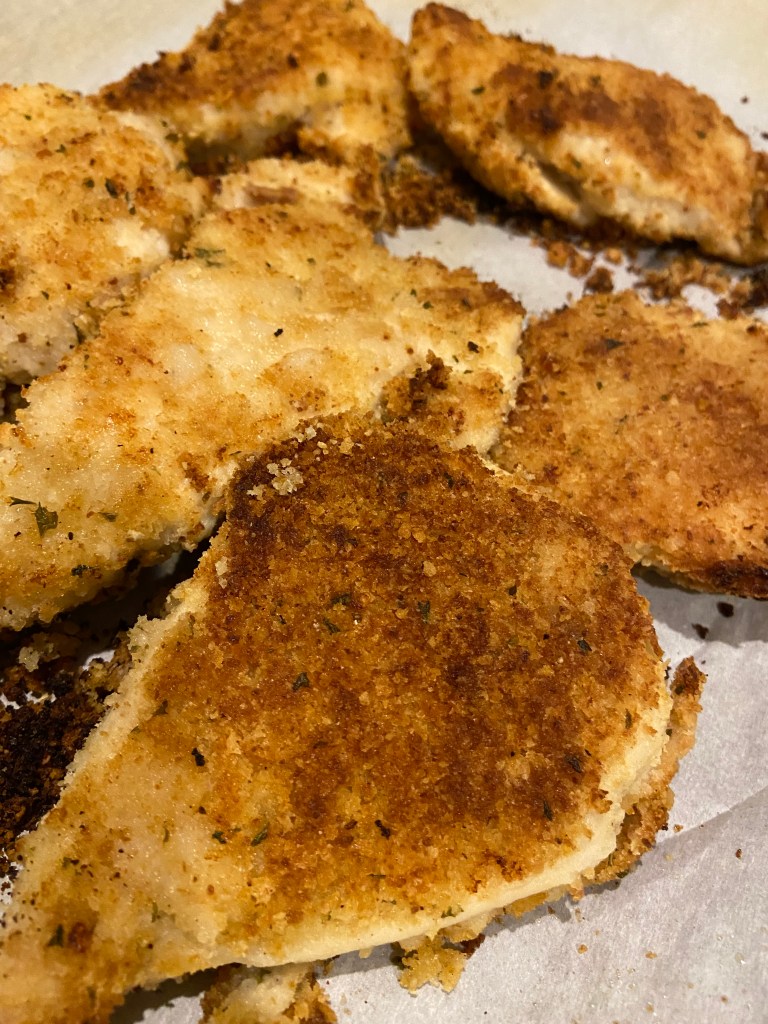
Recipe to try: Baked Chicken Cutlets

This healthy “fried chicken” is baked in the oven and is crispy and tender, perfect for dipping.

Ingredients
1 pound of chicken cutlets
1/2 cup panko breadcrumbs
1/2 cup of Italian-seasoned breadcrumbs
1/2 cup shredded Parmesan cheese
1/2 tablespoon fresh thyme leaves
1/2 cup mayonnaise
1/2 tablespoon Dijon mustard
Salt and pepper

How to Make:

  1. Move one oven rack to a low position. Preheat the oven to 400 degrees F and line the baking sheet with parchment paper.
  2. Set out two medium bowls. Mix the mayo, mustard, ¼ teaspoon salt, and ¼ teaspoon pepper in one bowl. Combine the panko, parmesan cheese, and thyme in the other bowl.
  3. Place the chicken cutlets in the mayo mixture and toss to coat. Then, one at a time, press each cutlet into the panko mixture on both sides to coat. Lay on the baking sheet.
  4. Bake in the lower part of the oven for 15 minutes.
  5. If the tops have not browned, broil for 2-3 minutes, watching to ensure they don’t burn. Serve warm.

A Few of My Favorite Things*


Ditch the plastic water bottles for this reusable, dishwasher-safe glass water bottle.
https://amzn.to/3E33z5d


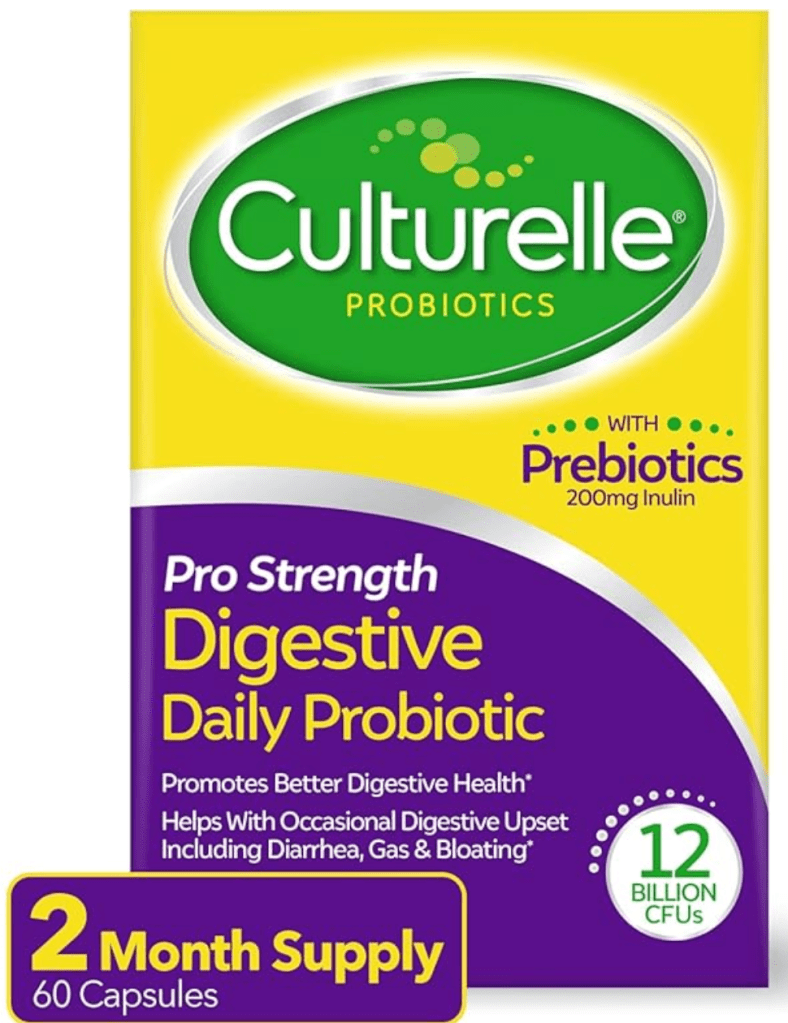
This daily probiotic supplement with prebiotics provides digestive and immune support.
https://amzn.to/44q8mHo


I keep this hand cream by my kitchen sink and nightstand to help combat dry skin from the dry, cold, winter elements.
https://amzn.to/4h2jzD7


*As an Amazon Associate, I may receive a small commission from qualifying purchases at no additional cost to the buyer.
25 Ways to Eat Healthier in 2025

As we enter a new year, many of us seek ways to improve our health and well-being. We are motivated and ready to be our best, healthiest versions of ourselves and give our bodies what they need. Nutrition plays a vital role in living a balanced, energized life. Here are 25 actionable tips to help you eat healthier in 2025:

1. Start Your Day with Protein
Incorporate protein into your breakfast to kick-start your metabolism and stay fuller longer. Eggs, Greek yogurt, or plant-based protein smoothies are great choices.

2. Prioritize Whole Foods
Focus on whole, unprocessed foods, such as fresh fruits, vegetables, whole grains, and lean proteins, to get the most nutrients.

3. Hydrate with Purpose
Drink plenty of water throughout the day. Add lemon, cucumber, or mint for flavor if plain water feels boring.

4. Eat the Rainbow
Aim for a variety of colorful fruits and vegetables to ensure you’re getting a wide range of vitamins, minerals, and antioxidants.

5. Plan Your Meals
Meal planning helps reduce impulsive, unhealthy eating and saves time. Prepare balanced meals and snacks in advance.

6. Practice Mindful Eating
Eat without distractions, chew slowly, and heed your body’s hunger and fullness cues. This reduces overeating.

7. Limit Added Sugars
Check food labels for hidden sugars in items like sauces, bread, and yogurt. Opt for natural sweetness from fruit instead.

8. Incorporate Healthy Fats
Include sources of healthy fats like avocado, nuts, seeds, and olive oil for heart health and satiety.

9. Choose Whole Grains
Replace refined grains with whole grains like quinoa, brown rice, and whole-grain bread for more fiber and nutrients.

10. Cook More at Home
Home-cooked meals give you control over ingredients, portion sizes, and preparation methods.

11. Reduce Processed Foods
Minimize highly processed foods, which are often loaded with unhealthy fats, sugars, and sodium.

12. Snack Smarter
Keep healthy snacks like raw veggies, hummus, nuts, or fruit on hand to avoid reaching for junk food.

13. Practice Portion Control
Use smaller plates and bowls to help regulate portion sizes without feeling deprived.

14. Add Probiotics to Your Diet
Support gut health with probiotic-rich foods like yogurt, kefir, kimchi, and sauerkraut.

15. Read Food Labels
Understand what’s in your food by reading labels and looking for unnecessary additives, sugars, and sodium.

16. Reduce Red Meat Intake
Opt for lean proteins like poultry, fish, or plant-based alternatives more often to reduce saturated fat intake.

17. Limit Alcohol Consumption
Alcohol can add empty calories and disrupt your body’s metabolic processes. Enjoy in moderation or choose non-alcoholic alternatives.

18. Focus on Fiber
Incorporate fiber-rich foods like beans, lentils, oats, and leafy greens to aid digestion and promote fullness.

19. Don’t Skip Meals
Skipping meals can lead to overeating later. Aim to eat balanced meals regularly to maintain energy levels.

20. Try Meatless Mondays
Go plant-based at least one day a week to increase vegetable intake and reduce your environmental impact.

21. Boost Your Omega-3s
Incorporate omega-3-rich foods like salmon, walnuts, and chia seeds to support brain and heart health.

22. Keep Healthy Staples Stocked
Always have versatile, nutritious staples like canned beans, frozen veggies, whole grains, and olive oil in your pantry.

23. Experiment with Spices
Use herbs and spices like turmeric*, cumin, paprika, and rosemary to enhance flavor without extra salt or sugar.

24. Eat Seasonally
Choose fruits and vegetables that are in season for better flavor, nutrition, and sustainability.

25. Practice Gratitude for Your Food
Take a moment before eating to appreciate your meal. This mindful practice can enhance your overall eating experience.

By incorporating even a few of these tips into your daily routine, you can make 2025 your healthiest year yet. Remember, small, consistent changes lead to lasting results. Here’s to a healthier, happier you!

“Change. But start slowly, because direction is more important than speed.”
— Attributed to Paulo Coelho, author of The Alchemist

Recipe to try: Baked Tomato-Feta-Orzo-Shrimp

This is a savory twist on the viral TikTok baked feta pasta. It’s creamy and flavorful and takes only 40 minutes from start to plate. Leftovers are as delicious! I forgot to add the spinach at the end, but added when I heated leftovers in a pan. Delish!

Ingredients:

2 pints cherry tomatoes
⅓ cup olive oil*
salt and pepper to taste
red pepper flakes or chili powder to taste
1 8-ounce feta cheese block
2-3 minced garlic cloves
¼ cup fresh basil chopped
1 lb. shrimp, peeled and deveined
1 handful of baby spinach
1 lb. orzo, cooked
pasta water to thin the sauce if needed (about ½ cup)
squeeze of half a lemon

How to make it:

  1. Preheat the oven to 400 °F.
  2. Place the cherry tomatoes in a baking dish. Add the olive oil, salt, and pepper and toss until everything is well combined.
  3. Place the feta block in the middle of the baking dish. Drizzle some extra olive oil on the feta block. Season with salt, pepper, and red pepper flakes. Bake the dish for about 25 minutes.
  4. After 25 minutes, place the shrimp in the baking dish and bake with the tomatoes and feta cheese for 8-10 minutes.
  5. While the shrimp are in the oven, cook the pasta until al dente. Drain the pasta water and reserve some of it.
  6. Remove the baking dish from the oven. Add the garlic, basil leaves, and baby spinach to the baking dish. Stir until the spinach wilts and everything is combined.
  7. Stir in the pasta and add some pasta water and a squeeze of lemon. Serve and enjoy!

A few of my favorite things*

LEMON SQUEEZER
I am not sure how I lived without this! Easy to use, dishwasher safe, and no seeds allowed.
https://amzn.to/3PSeDVH

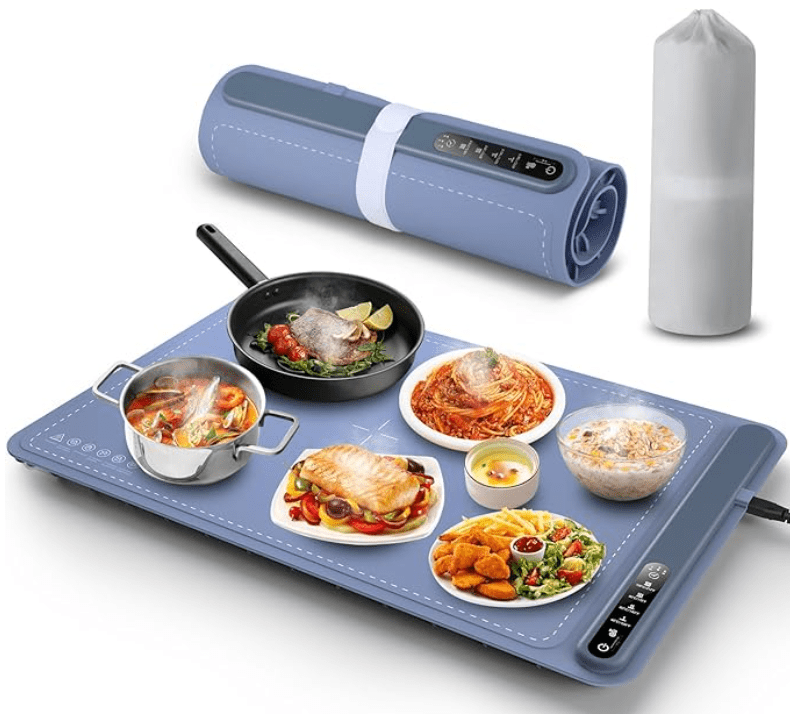
FOOD WARMING MAT
I purchased this warming mat before the holidays, and it was perfect for the counter top or buffet table. It heats food evenly and rolls up for easy storage.
https://amzn.to/42a07zS

MESH COLANDER BASKET
This strainer basket can rest over the sink with the handles extended or rest in the sink with the handles collapsed. Great for wet and dry ingredients!
https://amzn.to/40gFW0z

*As an Amazon Associate, I may receive a small commission from qualifying purchases at no additional cost to the buyer.

Unlocking the Power of Fruit: The Colorful Way to Fight Inflammation

Happy New Year! Four years ago this month, I was diagnosed with rheumatoid arthritis (RA). My first response to my doctor was, “How can we treat this holistically?” Well, there is no cure for RA, but remission of symptoms is more likely when treatment begins early with disease-modifying antirheumatic drugs.

While a diet won’t cure rheumatoid arthritis (RA), the right food choices can help control inflammation that can wreak havoc in your body and damage cells, tissues, and organs. My goal was to add nutrients to my body to help maintain a healthy weight and reduce inflammation. Ever heard of phytochemicals? They’re like nature’s superheroes, fighting inflammation and promoting good health.

According to research, diets containing certain nutrients and phytochemicals are linked to a lower risk of inflammation. One way to cool the effects of inflammation is with a rainbow of delicious fruits that taste amazing and bring many health benefits.

Berries: Bursting with Goodness! Think of berries as little gems of health. From strawberries to blueberries, they’re packed with antioxidants and anti-inflammatory magic. Studies show they can also lower the risk of heart disease, Alzheimer’s, and diabetes. So, grab a handful and snack your way to a healthier you!

An Apple a Day Keeps the Doctor Away – Really! Turns out the saying about apples isn’t just a rhyme. Research suggests that apples and their cousin pears can lower the risk of heart disease. These fruits are rich in fiber, vitamin C, pectin, and polyphenols, all teaming up to fight inflammation and boost your gut health.

Stone Fruits: Cherries to the Rescue! Cherries, peaches, apricots, and plums – these stone fruits aren’t just tasty; they’re inflammation-fighting powerhouses. Cherries may ease post-exercise soreness and reduce the risk of gout attacks. The secret? Phenolic compounds and other benefits that tackle inflammation head-on.

Citrus: A Citrus Squeeze for Health! Oranges, grapefruits, lemons, and limes – these citrus wonders are loaded with vitamin C, fiber, and anti-inflammatory magic.

Pomegranates: Tiny Seeds, Big Benefits! Don’t underestimate those tiny pomegranate seeds! Packed with vitamins C and K, potassium, and potent phytochemicals, they’re the key to potential health perks. Embrace the crunch and savor the benefits of these juicy little wonders.

Grapes: More Than Just a Snack! Grapes aren’t just succulent – they’re a fiber-packed, vitamin-loaded treat. Dive into a bunch of grapes, where you’ll find a delicious snack and a source of powerful phytochemicals that can contribute to your overall well-being.

Embrace all the colors of the rainbow by adding a colorful palette to your plate to experience the anti-inflammatory effects of the fruit. Eating with the seasons is a great way to get enough fruit. For example, grapes and stone fruits in the summer, apples and pears in the fall, persimmons and pomegranates in the winter, and citrus and cherries in the spring.

Please reach out if you want more information, a shopping list, or recipes on anti-inflammatory foods. Beyond fruit, there are expansive choices of proteins, vegetables, grains, oils, and herbs to aid in reducing inflammation.

“A mind that is stretched by a new experience will never go back to its original dimensions.”

 – Oliver Wendell Holmes, Sr.

Sparkling Citrus Pomegranate Mocktail
Based on the recipe from One Lovely Life

January is often a time to do a reset, whether through new habits, ditching bad ones, or doing a reset. This recipe is delicious, refreshing, and perfect for dry January!

FOR 1 POMEGRANATE MOCKTAIL:

  • 2 oz. 100% pomegranate juice
  • 1 oz. freshly squeezed orange juice or high-quality orange juice
  • 1/2 oz. fresh lime juice
  • 2 oz. sparkling water, club soda, or seltzer*
  • Ice, for serving

Garnishes (Optional):

  • pomegranate arils, lime slices or orange slices, frozen cranberries, fresh mint, or fresh rosemary

FOR A PITCHER (1 QUART):

  • 12 oz. pomegranate juice
  • 6 oz. orange juice
  • 3 oz. fresh lime juice
  • 12 ounces sparkling water or seltzer*

Recharge Your Energy: Essential Nutrients to Fight Fatigue and Exhaustion

In a few short weeks, the end of daylight savings is upon us and the return of standard time. Although we are greeted with an extra hour of sleep, our internal clocks, or circadian rhythms, are influenced by exposure to light. A sudden shift, even by just one hour, can lead to a mismatch between our internal clock and the external environment. This can cause disruptions to sleep patterns, including difficulty falling asleep or waking up at the desired time.

If you’re feeling exhausted, it’s important to remember that nutrition can play a big role in how you feel. Here are some nutrients that can help combat fatigue and support overall energy levels:

  • B Vitamins: B vitamins are essential for converting dietary energy into ATP (adenosine triphosphate), the form of energy that your body uses. Particularly, Vitamin B12, B6, and Folic Acid (B9) are key to support energy levels. Foods high in B vitamins include lean meats, whole grains, fruits, vegetables, and legumes.
  • Iron: Iron is essential for creating hemoglobin, a protein that carries oxygen to your body’s tissues. Low iron levels can lead to anemia, a condition where your body doesn’t have enough healthy red blood cells to carry adequate oxygen to your tissues, leading to fatigue. Foods rich in iron include red meat, poultry, beans, and fortified cereals.
  • Magnesium: This mineral is involved in hundreds of biochemical reactions in your body, including breaking down glucose into energy. Hence, magnesium deficiency can affect your energy levels. Foods with high levels of magnesium include almonds, spinach, cashews, peanuts, and whole grains.
  • Omega-3 Fatty Acids: Omega-3s have been found to reduce inflammation, combat depression and improve mood and brain function – all of which can influence your energy levels. Sources of Omega-3s include fish like salmon, mackerel, and sardines, as well as flaxseeds, chia seeds, and walnuts.
  • Protein: Protein provides the building blocks for most of the body’s tissues, nerves, and organs, and is necessary for muscle repair. It also helps to slow the absorption of carbohydrates in your blood, preventing spikes in blood sugar that can lead to energy crashes. Foods rich in protein include meat, eggs, dairy products, legumes, and nuts.
  • Water: Even slight dehydration can lead to feelings of tiredness and fatigue. Make sure to drink enough water throughout the day to stay hydrated.

If you are persistently feeling exhausted, it is important to consult with a healthcare provider to rule out any medical conditions like anemia, diabetes, thyroid issues, or sleep disorders. While proper nutrition can help improve energy levels, it’s also important to get adequate sleep, manage stress, and engage in regular physical activity.

Quote to Inspire:
“A healthy lifestyle not only changes your body, it changes your mind, your attitude, and your mood.”

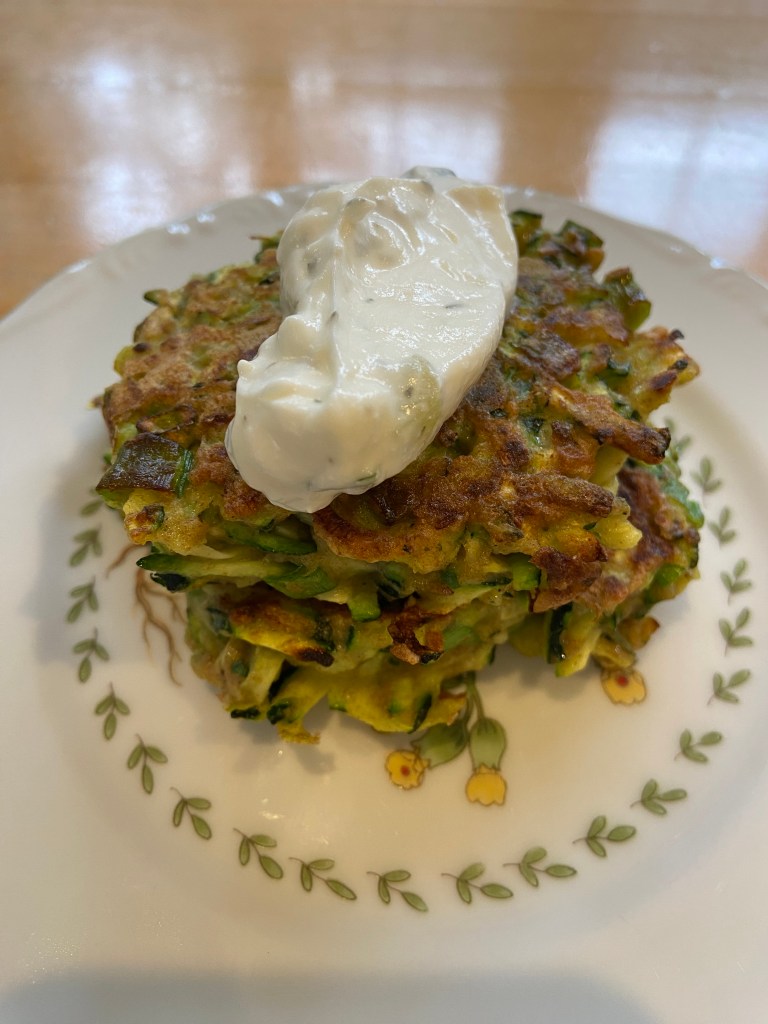
Recipe: Zucchini Fritters

This 5-ingredient recipe is easy and delicious as an appetizer, side dish, or satisfying snack.

Ingredients:

  • 4 cups shredded zucchini
  • 2/3 cup all-purpose flour (I use whole-wheat flour)
  • 2 large eggs, lightly beaten
  • 1/3 cup sliced scallions (green and white parts)
  • 2 Tablespoons olive oil
  • Salt an Pepper
  • Sour cream or Tzatziki Dip, for serving (optional)

How to make it:

  1. Place the shredded zucchini in a colander set over a bowl and sprinkle the zucchini lightly with salt. Allow the zucchini to stand for 10 minutes. Using your hands, squeeze out as much liquid from the zucchini as possible. Transfer the zucchini to a large bowl.
  2. Add the flour, eggs, sliced scallions, ¼ teaspoon salt and ⅛ teaspoon pepper to the bowl, stirring until the mixture is combined. Line a plate with paper towels.
  3. Add the olive oil to large sauté pan set over medium heat. Once the oil is hot, scoop 3-tablespoon mounds of the zucchini mixture into the pan, pressing them lightly into rounds and spacing them at least 2 inches apart. Cook the zucchini fritters for 2 to 3 minutes, then flip them once and cook an additional 2 minutes until golden brown and cooked throughout. Transfer the zucchini fritters to the paper towel-lined plate and immediately sprinkle them with salt. Repeat the scooping and cooking process with the remaining zucchini mixture.
  4. Serve the zucchini fritters topped with sour cream or Tzatziki Dip (I used @Cedar’s Tzatziki Cucumber Garlic Dill).

Understanding the Blue Zones Diet

The Blue Zones are five specific regions identified by National Geographic explorer Dan Buettner where people tend to live the longest and healthiest lives. These areas are Ikaria (Greece), Loma Linda (California, USA), Sardinia (Italy), Okinawa (Japan), and Nicoya (Costa Rica). The concept of a “Blue Zone diet” comes from the dietary habits common in these regions, which seem to contribute to the longevity and good health of their populations.

While there is no specific “Blue Zone diet” because the food consumed varies from one Blue Zone to another, there are common principles that these diets tend to adhere to:

  • Plant-Focused: Blue Zone diets are primarily plant-based. They include a variety of vegetables, fruits, whole grains, legumes (such as beans and lentils), and nuts. These foods are high in fiber, vitamins, minerals, and antioxidants.
  • Low in Meat: Meat is consumed less frequently in Blue Zones, typically only a few times per month. When it is consumed, it’s usually lean meats like chicken or fish, and servings are small.
  • Healthy Fats: Blue Zone diets include healthy fats, often from sources like olive oil, avocados, and nuts.
  • Moderate Alcohol: Some Blue Zone populations consume moderate amounts of alcohol, particularly red wine. This is typically limited to 1-2 glasses per day and often consumed with meals.
  • Low in Sugar and Processed Foods: Blue Zone diets are low in added sugars and heavily processed foods. These foods are often high in unhealthy fats and sugars, and low in nutrients.
  • Hydration: Water is the primary beverage in Blue Zones.
  • The 80 Percent Rule: This rule focuses on how you eat as well as what you eat and reminds people in the blue zones to stop eating when they feel 80 percent full. They also eat bigger meals earlier in the day and smaller meals in the late afternoon or early evening.

The concepts of the Blue Zones diet are not a weight-loss plan, but ways to live a healthier life. Even if you don’t live in a Blue Zone, you can fine-tune your diet and adopt the habits of some of the healthiest people in the world. Remember, diet is just one part of the longevity puzzle in these regions. Other factors like physical activity, social engagement, adequate sleep, and a sense of purpose also play important roles in the health and longevity of Blue Zone populations.

Quote to inspire:

“Do not go where the path may lead, go instead where there is no path and leave a trail.”

Ralph Waldo Emerson 

Recipe: Black Bean-Quinoa Salad with Lemon-Basil Dressing

Quinoa is a gluten-free grain containing more protein than any other grain. This is a great, make-ahead side dish, that can be served as-is or over a bed of baby greens.

INGREDIENTS:

  • 1 ½ cups uncooked quinoa
  • 3 cups organic vegetable broth
  • 2 tablespoons olive oil, divided
  • 1 teaspoon salt, divided
  • 1 cup chopped fresh basil
  • 3 tablespoons fresh lemon juice
  • 2 tablespoons Dijon mustard
  • ½ teaspoon freshly ground black pepper
  • 3 garlic cloves, minced
  • 3 cups chopped tomato
  • ½ cup sliced green onions
  • ½ cup chopped carrot
  • 1 (15-ounce) can black beans, rinsed and drained

INSTRUCTIONS:

Combine quinoa and vegetable broth in a saucepan; boil over medium-high heat. Cover, reduce heat, and simmer for 15 minutes or until broth is absorbed and quinoa is tender. Remove from heat.

Combine oil, salt, basil, lemon juice, mustard, black pepper, and garlic in a large bowl; stir with a whisk until blended. Stir in quinoa. Add chopped tomato, green onions, chopped carrot, and black beans to quinoa mixture; stir gently to combine. Store, covered, in the refrigerator until ready to serve.

Six Ways to Eat Clean and Improve Overall Health

What does it really mean to eat clean? Clean eating is a dietary concept that emphasizes the consumption of whole, natural foods and the avoidance of processed foods that contain a long list of ingredients, additives, or preservatives. Adopting a clean eating plan can be a simple and effective way to lose weight and create a healthier and more energized lifestyle. For a body that looks and functions at its best, it’s simply a matter of choosing cleaner foods and developing healthy eating habits. The basic principles of clean eating are typically as follows:

  1. Eat Whole Foods: This involves eating food in its most natural state, or as close to it as possible. This typically includes fruits, vegetables, lean proteins, whole grains, and healthy fats. Shop the perimeter of your grocery store and purchase foods from a local farm stand, if available.
  2. Avoid Processed Foods: Processed foods often contain artificial additives, high levels of salt, and added sugars. Clean eating emphasizes the need to avoid these kinds of foods as much as possible.
  3. Be Mindful of Food Preparation: How food is prepared can also impact its nutritional value. Clean eating suggests methods like grilling, broiling, steaming, and roasting, which require less fat and preserve the natural nutrients in food.
  4. Read Labels: This is crucial for understanding what’s in your food. Many products might seem healthy, but their labels can reveal unhealthy hidden ingredients, like high-fructose corn syrup or artificial preservatives. Focus on five ingredients or less!
  5. Stay Hydrated: Water plays an essential role in our overall health. Clean eating encourages consuming plenty of water while limiting sugary drinks like soda and even fruit juice.
  6. Balance Your Meals: Aim for a balanced mix of protein, fat, and carbohydrates at each meal. This not only helps ensure you get a mix of nutrients but also keeps you feeling satisfied throughout the day.

Clean eating isn’t so much a strict diet as it is a lifestyle choice, intended to improve overall health and wellbeing. Additionally, eating clean means relying less on processed, store-bought items and preparing more meals at home, which could save you money. Try integrating a few of these tips every week to live a healthier, happier lifestyle. If you want more tips or a sample meal plan, please contact me!

Quote for Inspiration

“The groundwork for all happiness is good health.”

~ Leigh Hunt

Recipe: Grilled Swordfish

This grilled swordfish is marinated in lemon, garlic, olive oil, and herbs, then seared on the grill until golden brown. An easy, elegant summer dinner! Serve with a salad and grilled veggies of choice.

INGREDIENTS:

4 swordfish steaks 4-6 ounces each

1/4 cup olive oil

1 1/2 tablespoons honey

1 1/2 tablespoons soy sauce

1 teaspoon lemon zest

2 teaspoons fresh parsley chopped

1/2 teaspoon kosher salt

1/4 teaspoon black pepper

3/4 teaspoon minced garlic

lemon wedges for serving

INSTRUCTIONS:

  1. Place the olive oil, honey, soy sauce, lemon zest, parsley, salt, and pepper in a bowl or resealable bag. Whisk to thoroughly combine.
  2. Reserve 1 tablespoon of the marinade for later use. Add the garlic to the marinade and stir.
  3. Add the swordfish to the marinade.
  4. Cover the bowl or seal the bag, then marinate in the refrigerator for at least 30 minutes, or up to 8 hours.
  5. Remove the swordfish from the marinade and scrape off any excess bits of herbs or garlic so they don’t burn on the grill.
  6. Preheat the grill to medium-high heat. Add the swordfish steaks and cook for 5-6 minutes on each side or until the swordfish is opaque throughout.
  7. Brush the reserved marinade over the fish, then serve immediately, with lemon wedges if desired.

The SMART Way to Setting Health Goals

Happy 2023! I don’t know about you, but it took me a few weeks to embrace the new year and think about habits, intentions, and goals to set for the year ahead. To move the needle forward, I revisited the S.M.A.R.T. method to develop a plan for setting Specific, Measurable, Attainable, Relevant, and Timely resolutions. Regarding overall health and well-being, SMART goals can help us stay on track and focus on improving our overall lifestyle. Whether it’s about eating better, exercising more, or reducing stress, SMART goals are important for our mental and physical well-being.

Be Specific

When setting smart health goals, it’s important to be specific and set achievable goals. Instead of setting a goal like “I want to be healthy,” you should aim for something more concrete like “I want to walk 30 minutes every day” or “I will choose a few dinner recipes and shop for the ingredients on Sunday.” Being specific about your goals helps to give direction and focus on the outcome. This step is your action statement for the goal itself: what are you trying to accomplish and why.

Measurable

How will you know when you’ve met your goal? You can break down your health goals into smaller achievable pieces or milestones that you can work towards to measure progress. This could be tracking the number of steps you take each day or meal-prepping on the weekend, so you are equipped to cook most meals at home, saving time, money, and calories!

Attainable

Make sure your goals are achievable and realistic considering what you want to accomplish. Try not to aim too high or too low. Instead, think about things you can do to complete these goals and they are practical. Figure out if there are resources you can access to make it easier. Like many people, taking a month off from drinking alcohol is popular in January. For me, I do take on a dry-ish January to make small steps in reducing my alcohol intake for a long-term transformation.

Relevant

This step is all about you! Make sure your goals are relevant to both your lifestyle and personal health. Make sure that the goals you set are ones you want to accomplish and will positively impact your life. Living with high blood pressure means I must take full control of my diet and exercise habits to live a long, healthy life. This goal is meaningful to me because of my family history.

Time-Based

This is the final planning stage of setting these goals. Connect your goals to a specific time frame or deadline, even if they are flexible, so that you have a clear sense of when you want to accomplish them. One thing I learned training for marathons is printing out a schedule and sticking to it as best I could. Living in New England sometimes meant altering a long run in the snow, sleet, and rain to a shorter run but still getting in the run! Choosing specific, measurable goals means you can track your improvement over time. Write your efforts down in a journal or track them on an app so you can see how far you’ve come.

Making small improvements daily can make a huge impact over time. One good outcome during the pandemic life was building on healthy habits I turned to like getting fresh air every day and cooking at home most days of the week. Don’t underestimate the power change, however slight they may be. Small habits can transform your health and your life.

Quote of the Week

People do not decide their futures, they decide their habits and their habits decide their futures.”

F.M. Alexander

Recipe of the Week

Baked Crunchy Hot Honey Chicken

I adapted this recipe from @halfbakedharvest, made it with panko breadcrumbs instead of cornflakes, and used only the parsley as the garnish. Either way, all will be gone as soon as you serve it – it’s that good!

Ingredients

• 6 cups cornflakes

• 1/4 cup grated parmesan cheese

• 1 teaspoon smoked paprika

• 1/2 teaspoon onion powder

• 1/2 teaspoon garlic powder

• 2 large eggs, beaten

• 2 tablespoons hot sauce

• 2 pounds smaller boneless chicken breasts or thighs

• extra virgin olive oil for drizzling

Hot Honey

• 1/2 cup honey

• 2-3 tablespoons of hot sauce

• 1-3 teaspoons cayenne pepper

• 3/4 teaspoon chipotle chili powder

• 1/2 teaspoon garlic powder

• 1/2 teaspoon onion powder

• sea salt

• fresh thyme, cilantro, or parsley, for serving

Instructions:

Preheat the oven to 425° F. Line a baking sheet with parchment paper. In a food processor, combine the cornflakes, parmesan, paprika, onion powder, garlic powder, and a pinch of salt. Pulse until you have fine crumbs. Alternatively, you can crush the crumbs in a plastic bag by stepping on them. Dump the crumbs into a shallow bowl.

Beat the eggs in a bowl, add the hot sauce and chicken, and toss well to coat. Dredge the chicken through the crumbs, covering fully. Place on the prepared baking sheet. For a thicker coating, dip the chicken back through the eggs, then through the crumbs a 2nd time. Place on the prepared baking sheet. Drizzle with olive oil. Bake for 20-25 minutes, until crisp all around.

A few minutes before the chicken is done cooking, make the sauce. In a sauce pot, warm the honey, hot sauce, cayenne, chili powder, onion powder, garlic powder, and a pinch of salt.

Drizzle the warm sauce over the chicken. Top with herbs. If the sauce thickens, warm it for 5 seconds in the microwave. Enjoy!

Baked Crunchy Hot Honey Chicken

Healthy Heart, Healthy You! Simple Steps to a Healthier Heart

I read a saying once that health is like money; we never have a true idea of its value until we lose it. With a family history of heart disease, this resonated with me because good health is truly wealth. Genetics plays a big role in a healthy heart, but there are many ways to prevent heart disease, including basic self-care and inspiring others to do the same. Starting with one small change, like having a few meatless meals a week or swapping whole-grain bread for white bread, can make a difference. If you are new to exercise or have been on a hiatus, start with 10-15 minutes of brisk walking or simple calisthenics like jumping jacks or squats. Then gradually increase with the goal of 30 minutes a day.

Keeping track of my weight, blood pressure, and cholesterol is necessary. Still, individual targets are different for everyone and depend on your age, gender, and medical and family history. Some standard marks are:

  • blood pressure below 120/80 mm/HG
  • body mass index between 18.5 and 25 (see this BMI calculator)
  • total cholesterol of less than 200 mg/d

Exercise is essential, but a healthy heart starts in the kitchen. You don’t need to be on a restrictive or fad diet to improve heart health. Instead, if you focus on vegetables, fruit, nuts, beans, whole grains, healthy fats like olive oil, and lean meats (or better yet, wild-caught fish), you can’t go wrong. And avoid added sugar, salt, and highly processed food.

Gradually adding more healthful foods and spending more time exercising can make a difference to your heart and overall health. But caring for your heart also means managing stress. This begins by identifying what causes stress in your life and the adverse outcomes like stress-eating junk food or drinking too much alcohol. Some of the ways I try to manage stress are exercising, meditating, and keeping a positive attitude.

“A mind that is stretched by a new experience will never go back to its original dimensions.”

~ Oliver Wendell Holmes, Sr.

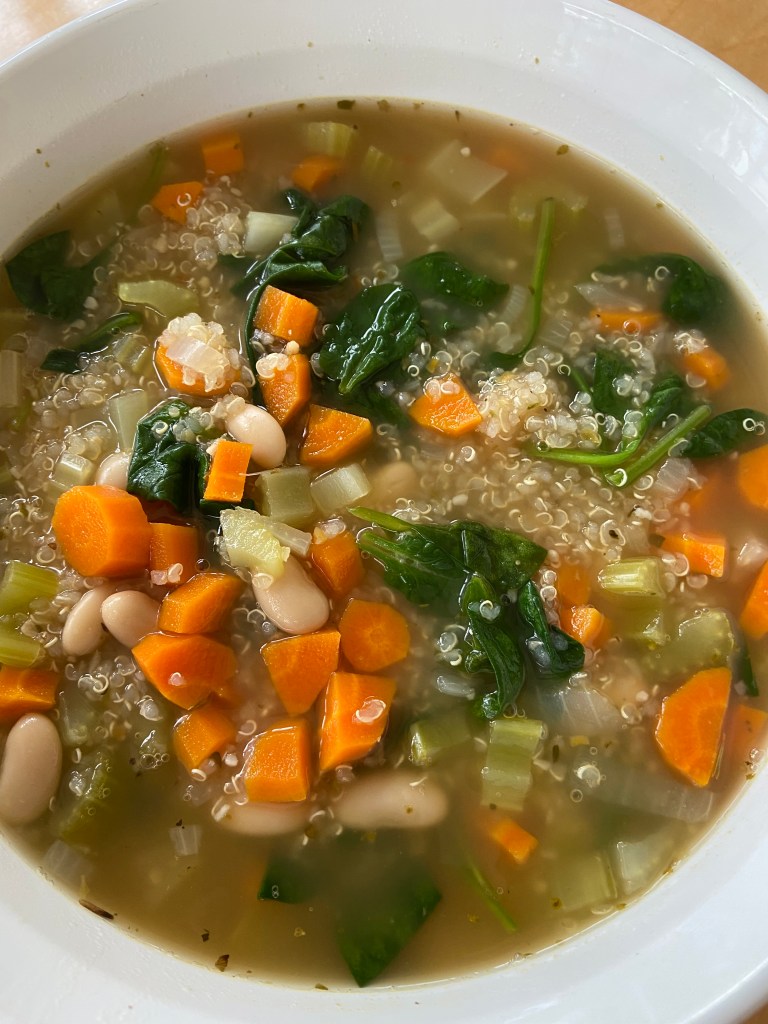
Recipe of the week: Mediterranean White Bean Soup

This vegetarian, heart-healthy soup cooks up quickly and is delicious for leftovers.

INGREDIENTS

1 tablespoon olive oil

1 large onion chopped

2 garlic cloves minced

2-3 large carrots chopped

2-3 celery rib chopped

6 cups low-sodium vegetable broth

1 cup water

½ cup quinoa

1 teaspoon dried thyme

½ teaspoon oregano

1 teaspoon salt

1 teaspoon black pepper

2 15-ounces canned white beans drained and rinsed

2 cups baby spinach

Grated Parmesan cheese for serving

INSTRUCTIONS:
In a large pot, heat olive oil over medium high heat. Add onions and cook until translucent, about 3-5 minutes. Add the garlic, carrots, celery, thyme, oregano, salt, and pepper, and cook for an additional 2-3 minutes. 

Add vegetable broth, water, quinoa, and beans, bring to a boil, reduce heat and simmer for 15 minutes to combine the flavors together and cook the quinoa.

Stir in the spinach and continue to simmer until the spinach wilts, about 2 minutes. Remove from heat, sprinkle grated Parmesan cheese, if desired, and serve immediately.

Mediterranean White Bean Soup

Balanced Health in a Pandemic: A Year in Review

Happy New Year! The past year can be categorized into three things: resilience, patience, and grit. My last blog post in March 2020 was a week before I learned that I would be working remotely (after beginning a new job on January 27). My son was moving home from college to finish his semester. My daughter’s company required all employees to work at home. Since my husband runs his business from a home office, he was equally disrupted by all of us home 24/7. I can honestly say as a family, we were able to adapt well and bounce back quickly in times of stress and uncertainty. The term “patience is a virtue” served us well as we waited to see the year unfold. To tolerate something that takes a long time is a good quality, but can be trying at times.

Let’s face it, flattening the curve means different things to different people. For some, it means getting rid of the quarantine 15 and committing to a healthier lifestyle. Social distancing is easy for some but challenging for others who live alone and work remotely. Some days you feel like you accomplished so much by crossing things off your to-do list. Other days you feel good because you changed out of your pajamas or took a shower. Large or small accomplishments take perseverance and grit. Self-care is not only important, but it is also necessary for self-preservation.

Goal setting is part of my daily, monthly, and yearly ritual. 2020 was a challenging year to set and keep goals. Knowing the importance of reflecting back on the past year before setting new goals, I am starting this new year with “Simple Steps to an Incredible Year,” a free online course with @melrobbins (melrobbins.com/incredibleyear). In the first course, I realized there are habits to continue and alter. I am more of an introvert than I thought, humility has made me a better person, and my family is the most important unit in my life.

Let 2021 be a year of hope and good health for all. Be resilient, be patient, and show the strength of your character.

Quote of the Week:

“One small crack does not mean that you are broken, it means that you were put to the test and you didn’t fall apart.” 

― Linda Poindexter

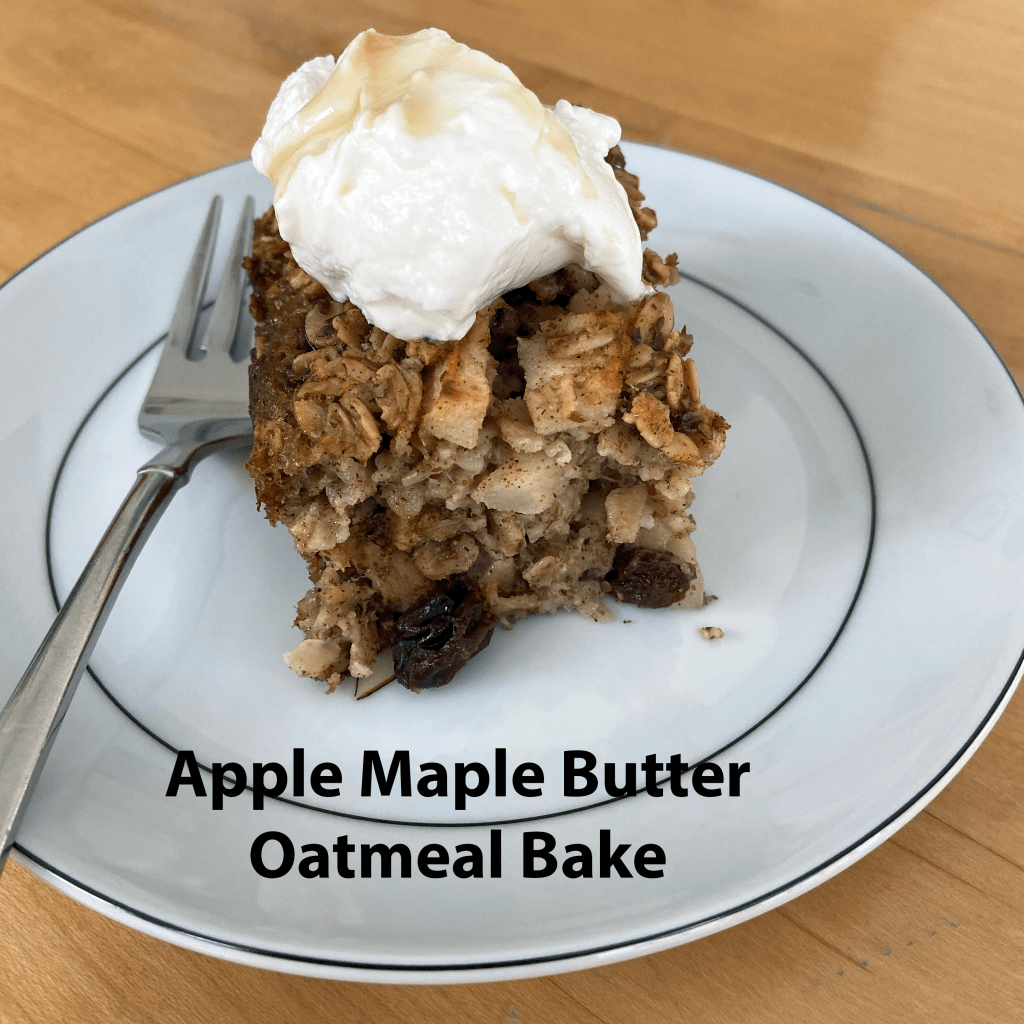
Recipe of the Week: Apple Maple Butter Oatmeal Bake

This is a “sneak peek” recipe from @ShalaneFlanagan and @ElyseKopecky new book Rise & Run: Recipes, Rituals, and Runs to Jumpstart Your Day, which launches October 2021. Great way to include oatmeal into your daily diet and you can make ahead to enjoy all week.

2 cups old-fashioned rolled oats

1/4 cup ground flax

1 1/2 teaspoons ground cinnamon

1/2 teaspoon ground cardamom, optional

1/4 teaspoon fine sea salt

1 teaspoon baking powder

4 tablespoons unsalted butter, divided (plus more for baking dish)

2 eggs

1 1/2 cups whole milk, nut milk, or water

1/4 cup maple syrup

2 cups chopped apple (about 2)

1/3 cup chopped nuts or raisins, optional

Preheat the oven to 400°F. Grease an 8 x 8-inch baking dish with butter.

In a large bowl combine the oats, flax, cinnamon, cardamom (if using), salt, and baking powder.

In a small microwave bowl, melt 2 tablespoons of the butter.  Make a well in the center of the bowl and crack the eggs into the well. Whisk the eggs and add the milk or water, syrup, and melted butter. Whisk thoroughly then stir to combine with the dry ingredients. Stir in the apple and nuts or raisins, if desired.

Pour into the baking dish and spread into an even layer. Cut the remaining 2 tablespoons of butter into small cubes and sprinkle on top. Bake in the center of the oven for 45 minutes, or until set in the middle, and golden and crispy on top.

Allow to cool slightly, then slice into squares and serve warm topped with whole milk yogurt and an extra drizzle of maple syrup, if desired.